
enfarm to UniVentures Gala: “Waste Is Expensive” — Why Sustainable Agriculture Must Scale, Not Subsidise
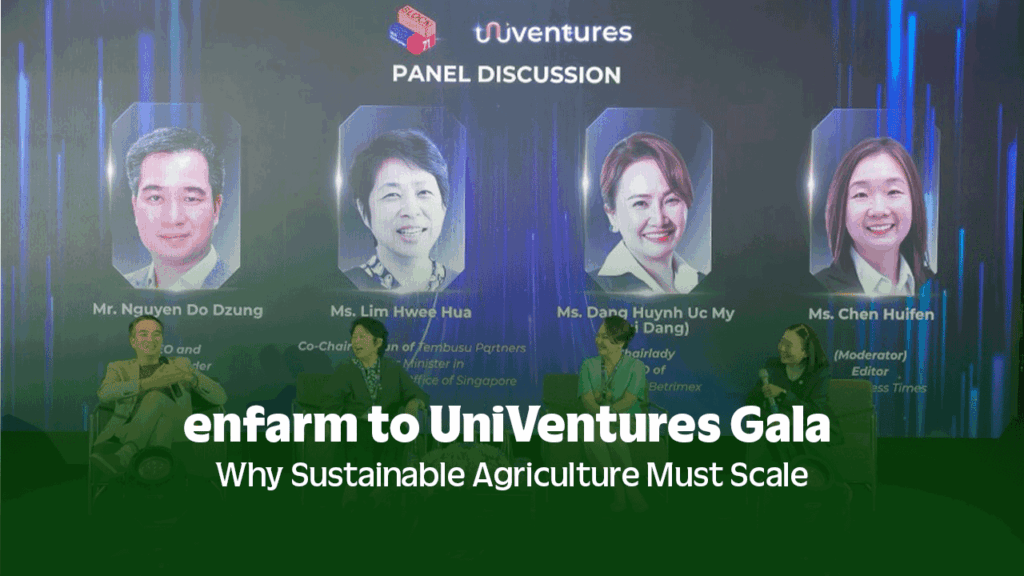
Ho Chi Minh City, Vietnam — 29 January 2026 — enfarm Co-founder & CEO Nguyen Do Dzung represented enfarm as a leading voice in sustainable agriculture innovation at the UniVentures Gala Dinner in Ho Chi Minh City, joining a high-level panel on Vietnam–Singapore collaboration and what it will take to scale climate-positive solutions across Southeast Asia.
Dzung shared the stage with Ms Dang Huynh Uc My (Chairwoman, TTC AgriS & Betrimex) and Ms Lim Hwee Hua (Chairwoman, Tembusu Partners; former Singapore Minister). The discussion was moderated by Ms Chen Huifen, Editor at The Business Times, and reflected a growing regional consensus: sustainability will only win when it becomes measurable, bankable, and deployable at scale.
The evening’s keynote was delivered by Mr Heng Swee Keat, Chairman of Singapore’s National Research Foundation and former Deputy Prime Minister, who reaffirmed Singapore’s commitment to deeper partnership with Vietnam and emphasised that the two countries can “do more together” because their strengths are complementary.
“Sustainability isn’t expensive—waste is”
On the panel, Dzung challenged the common belief that sustainability is mainly a cost.
“Waste is expensive. Sustainability only feels expensive when it’s treated like a donation. When it’s treated like operating excellence, it becomes profitable.”
Nowhere is this clearer than in agriculture. Fertiliser is one of the largest out-of-pocket expenses for farmers, yet it is often applied inefficiently. Globally, a significant share of applied fertiliser is not absorbed by plants, creating a massive economic leak while degrading soil health and generating avoidable emissions. In Vietnam, the problem is amplified because fertiliser use is far above global averages, increasing both cost pressure on farmers and long-term risk to soil productivity.
This is exactly the gap enfarm was built to solve. enfarm’s precision agriculture approach helps farmers apply the right nutrients at the right time—so they can grow more with less fertiliser, improve profitability, and protect soil health for the long term. In other words, enfarm turns sustainability into what farmers and agribusinesses can act on immediately: better unit economics and more resilient yields.
enfarm’s leadership thesis: make sustainability measurable, then scalable
enfarm’s perspective throughout the panel was clear: the sustainability transition will move fastest when solutions are designed around outcomes that matter to the real economy—farm income, productivity, soil resilience, and verifiable reductions in waste.
This is where precision agriculture becomes a cornerstone of sustainability innovation. By improving input efficiency at the farm level, enfarm addresses multiple challenges at once:
- Profitability: reduced unnecessary fertiliser spend
- Resilience: healthier soils that sustain yields over time
- Climate impact: lower emissions linked to over-application and degradation
- Food systems: more consistent production for downstream supply chains
The result is not a “green premium,” but a practical pathway to profitable sustainability.
Looking forward: scaling in Vietnam, strengthening food security in Singapore
The UniVentures Gala Dinner reinforced a bigger truth: Vietnam–Singapore collaboration can be one of Southeast Asia’s most effective engines for scaling sustainability. Vietnam offers real-world deployment surfaces—millions of hectares, diverse crops, and fast-learning farming communities—while Singapore brings what helps solutions scale across borders: capital structures, governance, regional partnerships, and pathways to commercialisation.
Precision agriculture is a clear example of this “engine + hub” advantage. When technologies like enfarm’s are deployed at scale in Vietnam, they can prove measurable outcomes—lower fertiliser waste, healthier soil, higher yields—and build the performance track record that investors and institutions need to support wider adoption. That scaling, in turn, strengthens the resilience of regional food supply chains—supporting Singapore’s food security goals through more efficient, sustainable production and more reliable sourcing from the region.
With deeper collaboration—shared testbeds, clearer validation standards, and procurement models that reward outcomes—Vietnam and Singapore can turn sustainability from a slogan into a system: innovation built in partnership, proven at scale, and expanded across Southeast Asia.
enfarm is proud to be part of this movement—showing that when we cut waste, we unlock profit, resilience, and climate progress at the same time.

Figure 1: Dzung shares his opinion during the panel discussion
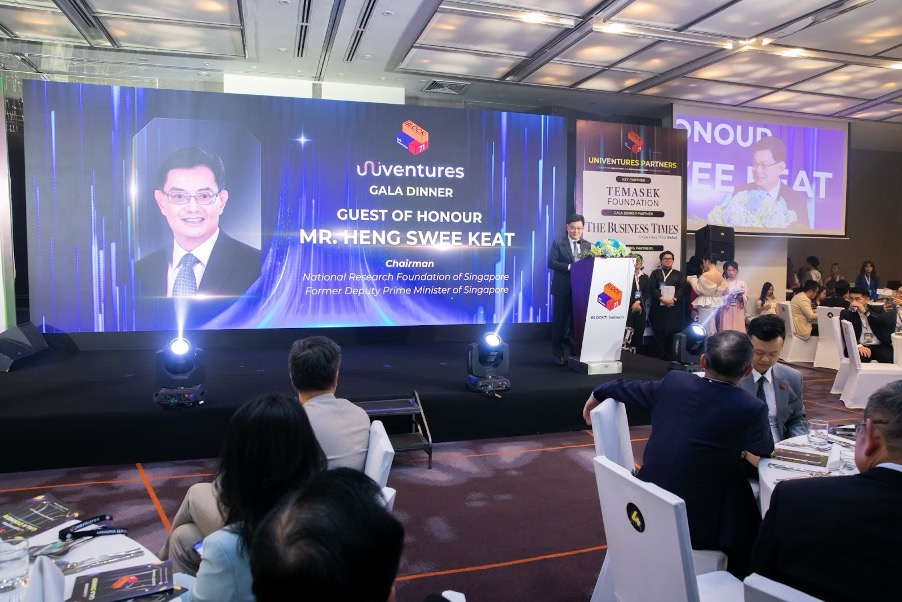
Figure 2: Mr Heng Swee Keat, Chairman of National Research Foundation (Singapore) and former Deputy Prime Minister of Singapore, delivers his keynote speech
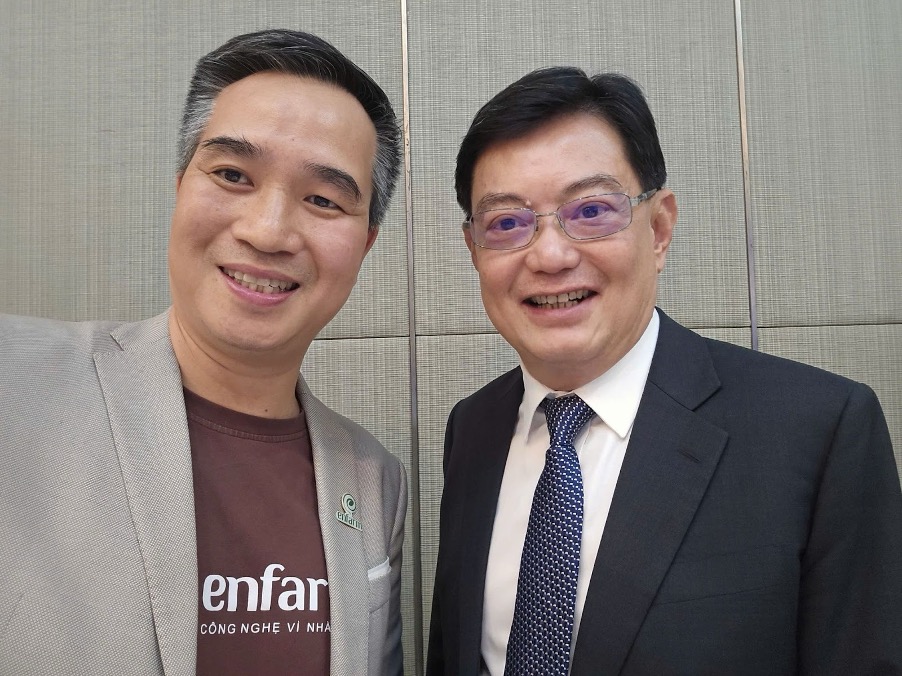
Figure 3: Dzung Do Nguyen with Mr Heng Swee Keat